
Mods
The visuals of a subculture

Alo!
Today we’ll look at the delicious visual culture surrounding the Mods movement, something I happen to be a big fan of. If you’re not, maybe I can convert you too.


Who and what were/are the Mods?
Their peak was in 1960s Britain, but long may they live. The name is short for ‘modernists’, and the youth subculture was formed around chic fashion, think handsome young men in suits, and stylish women in well tailored dresses and fabulous hair, a glorious 50cc scooter culture, and music, alongside amphetamine fulled nights on the town. Forget helmets, these hipsters used enough hairspray to compensate for the lack of those.
The young renegades were basically the first British generation to grow up post WW2 without military service, or rationing, or severe austerity, increasing liberalism, and fully embraced and enjoyed their freedom, all at 30 miles per hour. If you ask me, these people were pretty much the peak. There’s not much that could be better: scooters, sharp fashion, iconic music, and a few additional additives.


How did photography impact and interact with the Mods movement?
Personal photography and pocket instamatic and 35mm cameras were widespread and available to most people during the 60s, so there was a little more attention to appearance, as you might be photographed! There was a touch more disposable income too, which helped people buy the cameras, the clothes, and of course, those sensational scooters.
People cared about how they looked, and how they were seen (but not anywhere near our current narcissistic level of perpetual selfies).
Photographers helped to shape the movement, and were also inspired by its aesthetic. Think of Brian Duffy, David Bailey, and maybe Norman Parkinson’s visual language. Add in some Mary Quant designs, some Harrington jackets, Parkas, a Tootal scarf, and a few Ben Sherman button downs, and Fanny’s your aunt.


The Mods interestingly also used the Royal Air Force’s logo/symbol as one of their primary motifs. It is now forever linked with the subculture, and less with fighter jets and killing. This must have been interesting for the original Mod’s parents, who likely fought in WW2. The Union Flag was of course also a big staple of the look too, the red-white-blue, and the flag itself made into clothing.
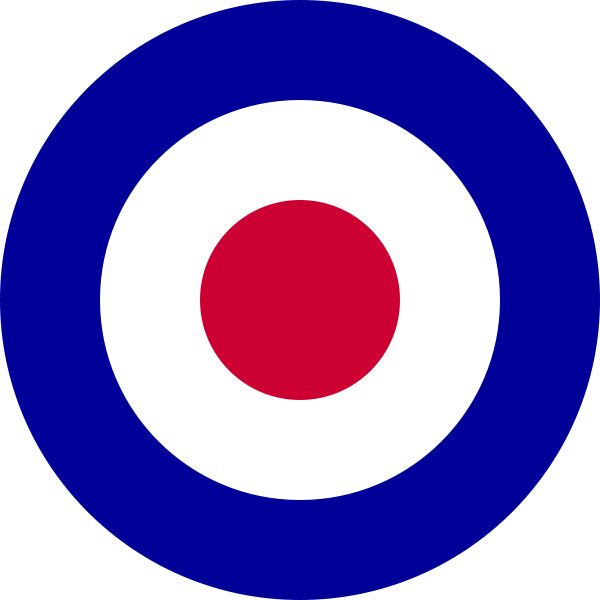


The current image non-Brits might have of London or the UK in general, might also be shaped around the Mods, received via photography and media. Before society morphed into the swinging 60s, and the arguable more exciting punk, New Romantics, and acid house eras in the 70s and 80s, the Mods formed part of an era where Britain had the soft power of cultural clout in fashion, music, and design. As I mentioned in my previous post - modern day everything is mostly enshitified, and I’ll include British youth subcultures in that too 😊
I’ll leave you with some photographers who sum up the Mods vibe for me, and as always, some links and browser wanders for you below.


Links 🔗 and food for thought 💭 …
British Cultural Archive’s collection of the Mods and Mod revivalists
If you’re keen to explore more about the Mods - here are a couple of film recommendations - Quadrophenia, Blow-Up
Skins and Suedes - photographer Owen Harvey’s portraits of modern day Mods, and Skinhead fashion culture
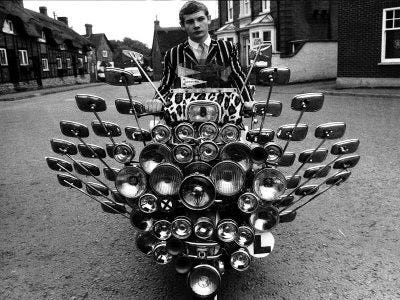
Until next time, happy clicking, and safe scooting…
B x

